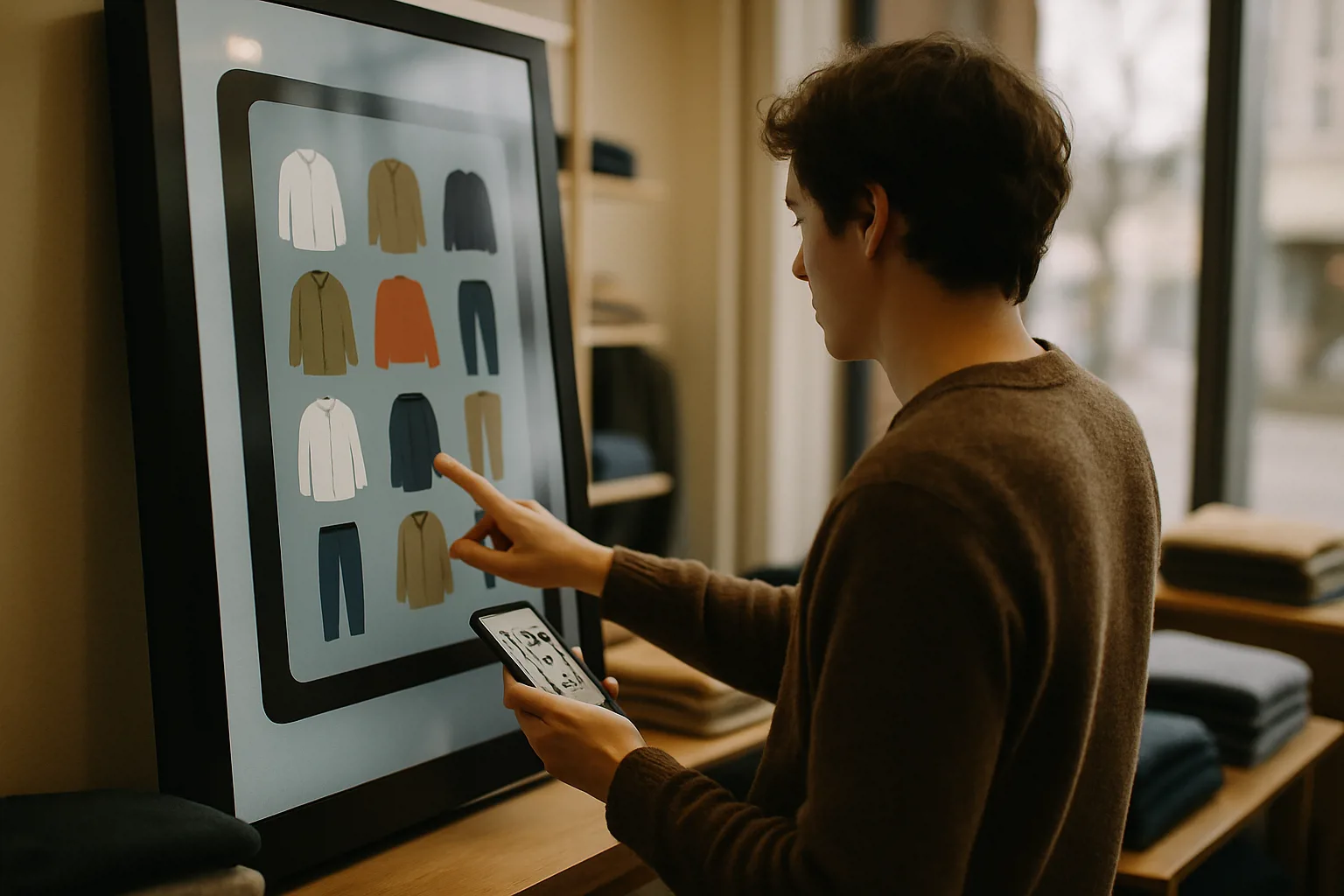
Explore the top user-centered design trends reshaping e-commerce, including AR integration, AI-driven interfaces, minimalist design, multimodal interaction, and data-driven personalization.
- Augmented Reality boosts conversion rates by allowing product visualization in real-world settings.
- AI-driven interfaces adapt to user behaviors for a personalized shopping experience.
- Minimalist design enhances user trust through simplicity and speed.
- Multimodal interactions expand accessibility through voice, gesture, and touch.
- Data-driven personalization increases engagement by tailoring content to user preferences.
The e-commerce world is undergoing a transformation, driven by cutting-edge UI/UX trends that focus on user-centered design. These innovations not only enhance the shopping experience but also increase conversion rates and customer satisfaction. Let's delve into the top five trends that are reshaping the e-commerce landscape in 2026.
Augmented Reality Transforms Product Interaction
Augmented Reality (AR) has become an essential tool for online retailers, allowing customers to visualize products in their own environments. This immersive technology drastically reduces return rates and enhances purchasing confidence. According to Shopify, merchants incorporating 3D and AR content experience a 94% higher conversion rate than those using traditional 2D images.
"AR in e-commerce bridges the gap between digital and physical shopping experiences by providing a tangible sense of the product."
Adaptive Interfaces Enhance Personalization
The rise of AI-driven interfaces marks a new era of personalization in e-commerce. These adaptive systems adjust to individual user behaviors and preferences, creating an intuitive and engaging shopping journey. By understanding user context, AI helps in delivering a seamless experience that feels tailored and unique.
Key Features of AI-Driven Interfaces
- Behavior analysis for personalized recommendations
- Dynamic content adjustment based on user interactions
- Contextual assistance to improve navigation
Minimalist Design for Clearer User Experience
In an age where clarity is paramount, minimalist design has emerged as a critical trend in e-commerce. By focusing on simplicity, retailers offer a clean interface that enhances user trust and facilitates effortless navigation. This design philosophy prioritizes speed and clarity, ensuring that users find what they need without unnecessary distractions.
Multimodal Interaction Expands Accessibility
With the rise of diverse user preferences, multimodal interaction is becoming a staple in e-commerce platforms. By supporting voice commands, gestures, and touch, retailers enhance usability and accessibility. This approach caters to a broader audience, ensuring that all users can engage with the platform in their preferred way.
Data-Driven Personalization Boosts Engagement
Utilizing data analytics, e-commerce sites now offer highly personalized experiences that resonate with individual users. This data-driven personalization strategy involves tailoring content and product recommendations based on past behaviors and preferences, significantly increasing engagement and conversion rates.
| Trend | Benefit |
|---|---|
| AR Integration | Improved visualization and reduced returns |
| AI-Driven Interfaces | Enhanced personalization and user engagement |
| Minimalist Design | Increased clarity and speed |
| Multimodal Interaction | Broader accessibility and usability |
| Data-Driven Personalization | Higher engagement and conversion rates |
Why Businesses Should Embrace These Trends
Adopting these UI/UX trends can provide significant advantages to businesses in the competitive e-commerce market. By enhancing the user experience, retailers can increase customer loyalty, boost conversion rates, and ultimately drive revenue growth. As these trends continue to evolve, staying ahead of the curve will be crucial for businesses aiming to thrive in the digital marketplace.
Frequently Asked Questions
How does AR integration benefit e-commerce?
AR integration allows customers to visualize products in their real-world environments, which boosts purchase confidence and reduces return rates.
What role does AI play in modern e-commerce interfaces?
AI powers adaptive interfaces that personalize the shopping experience by responding to individual user behaviors and preferences.